
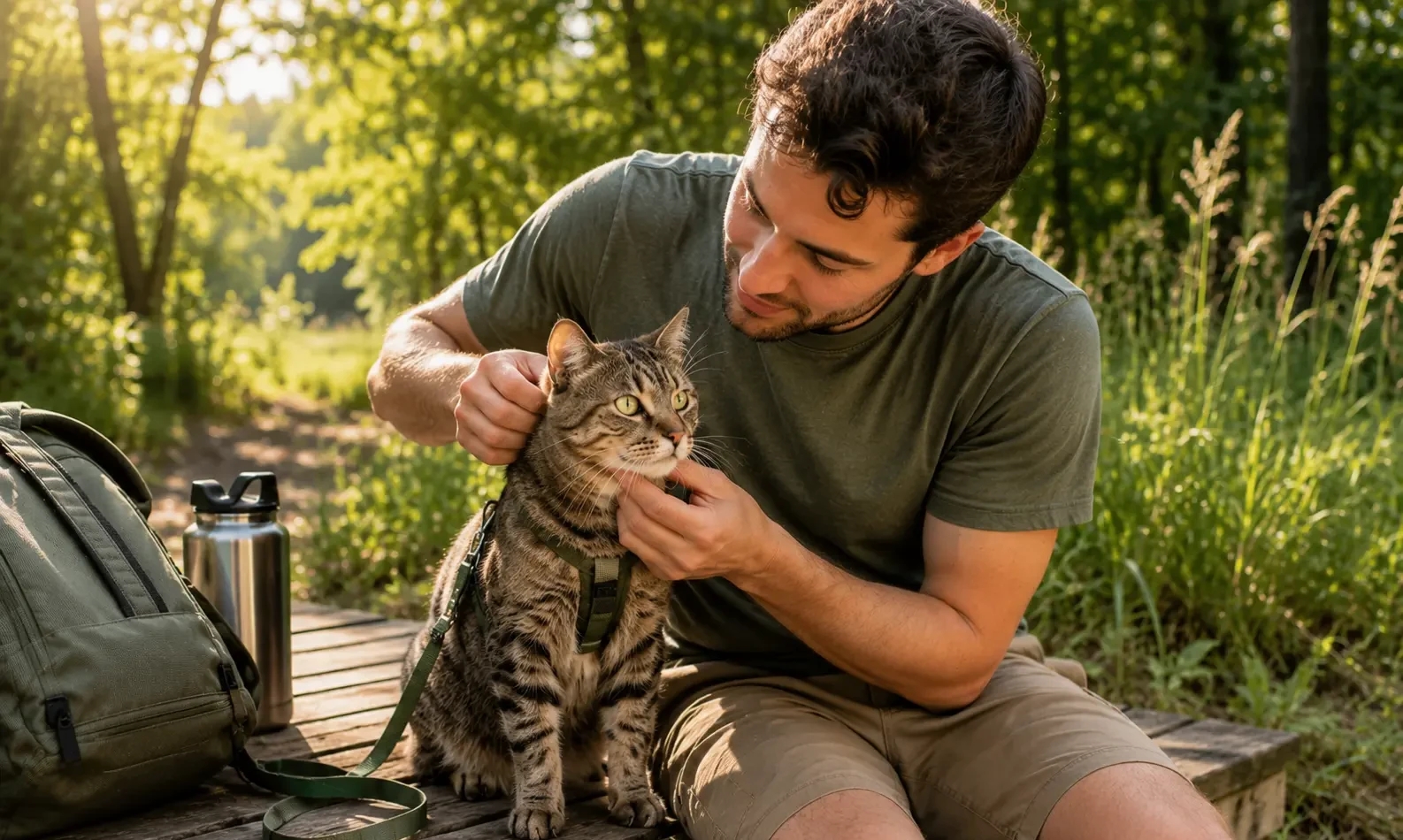
Summer Tick Hotspots: Smart Ways to Protect Outdoor Cats on Every Adventure
Summer offers countless opportunities for outdoor exploration, and many cats enjoy spending time in backyards, gardens, patios, hiking areas, and other natural environments during warmer months. Whether your cat enjoys supervised outdoor walks, leash adventures, camping trips, or simply relaxing in the yard, increased outdoor activity also raises exposure to seasonal parasites, especially ticks.
Ticks are more than just annoying pests. These tiny parasites can carry harmful diseases and create serious health concerns for cats if left untreated. Because ticks thrive in warm weather and shaded outdoor environments, summer becomes one of the highest-risk seasons for parasite exposure.
Understanding where ticks commonly hide and how to protect your cat can help reduce health risks while allowing your feline companion to enjoy safe outdoor adventures. At Sunshine Hills Veterinary Clinic, preventive pet care and parasite protection remain essential parts of maintaining feline wellness throughout the summer season.
Why Summer Increases Tick Activity
Ticks become more active during warm, humid weather conditions. Summer temperatures create ideal environments for ticks to reproduce and search for hosts. Outdoor cats exploring grassy areas, wooded spaces, bushes, gardens, or trails may unknowingly encounter ticks hiding in vegetation.
Unlike fleas, ticks do not jump or fly. Instead, they wait on grass, shrubs, or leaves and attach to animals that brush past them. Cats exploring natural environments can easily pick up ticks during routine outdoor activities.
Many pet owners mistakenly believe ticks only exist in forests or remote wilderness areas.
In reality, ticks may also live in:
- Neighborhood parks
- Residential gardens
- Tall backyard grass
- Hiking trails
- Campgrounds
- Wood piles
- Bushes and shrubs
- Outdoor patios near vegetation
- Rural and suburban areas
Even brief outdoor exposure may increase the chance of tick attachment.
Why Ticks Are Dangerous for Cats
Ticks feed on blood and can transmit harmful bacteria and parasites during attachment. While cats are generally less affected by tick-borne illnesses than dogs, they can still experience serious complications from tick exposure.
Some common health concerns associated with ticks include:
- Skin irritation
- Local infections
- Fever
- Fatigue
- Reduced appetite
- Anemia from heavy infestations
- Tick paralysis in rare cases
- Transmission of infectious diseases
Because cats often groom themselves frequently, ticks may remain hidden beneath thick fur and go unnoticed for extended periods. Early detection and prevention are essential for reducing risks.
Common Summer Tick Hotspots for Outdoor Cats
Understanding where ticks are most likely to hide can help pet owners reduce unnecessary exposure.
Tall Grass
Ticks frequently wait in tall grass areas for passing animals. Cats exploring overgrown lawns, parks, or trail edges may easily encounter parasites.
Wooded Trails and Forest Areas
Shaded wooded environments provide moisture and protection that support tick populations during summer months.
Garden Beds and Bushes
Dense vegetation and shrubs near homes can create ideal tick habitats, especially if wildlife regularly passes through the area.
Campsites and Hiking Paths
Outdoor adventures expose cats to natural environments where ticks commonly live among leaves, brush, and undergrowth.
Wildlife-Prone Areas
Raccoons, squirrels, deer, rodents, and birds can carry ticks into residential neighborhoods and outdoor spaces.
Signs Your Cat May Have a Tick
Ticks can sometimes be difficult to spot, especially on long-haired cats. Pet owners should regularly check outdoor cats after adventures or backyard activities.
Common signs include:
- Small bumps on the skin
- Excessive scratching
- Red or irritated skin
- Scabs near tick attachment sites
- Lethargy
- Loss of appetite
- Visible parasites attached to the skin
Ticks often attach around:
- Ears
- Neck
- Face
- Under collars
- Between toes
- Armpits
- Belly areas
Routine inspections after outdoor activities can help identify problems early.
Smart Ways to Protect Outdoor Cats from Ticks
Use Veterinary-Recommended Tick Prevention
One of the most effective ways to protect cats involves using veterinarian-approved parasite prevention products. Preventive medications help reduce tick attachment and minimize the risk of disease transmission.
Your veterinarian can recommend safe products specifically formulated for cats based on age, lifestyle, and health condition. Never use dog tick medications on cats, as some ingredients may be toxic to felines.
Check Your Cat After Outdoor Adventures
Perform gentle tick inspections after outdoor activities. Carefully examine your cat’s fur, ears, neck, paws, and underbelly for attached ticks or irritated skin.
Regular inspections improve early detection and reduce the amount of time ticks remain attached.
Maintain Your Yard and Outdoor Spaces
Reducing tick habitats around your home can significantly lower exposure risks.
Helpful yard maintenance strategies include:
- Keeping grass trimmed
- Removing leaf piles
- Clearing brush and weeds
- Limiting overgrown vegetation
- Creating clean walking paths
- Reducing wildlife attractants
A cleaner outdoor environment helps minimize tick populations.
Use Safe Outdoor Supervision
Supervised outdoor activities allow pet owners to monitor where cats roam and reduce
exposure to high-risk environments.
Many cats benefit from:
- Harness walks
- Enclosed cat patios
- Outdoor playpens
- Controlled backyard exploration
- Supervised camping trips
Controlled outdoor experiences help maintain safety while supporting enrichment and exercise.
Wash Outdoor Gear and Bedding
Ticks may occasionally hitch rides indoors on blankets, carriers, backpacks, or outdoor equipment. Cleaning pet bedding and outdoor gear regularly helps reduce indoor exposure.
Why Tick Prevention Matters for Indoor Cats Too
Even indoor cats may occasionally face tick exposure. Parasites can enter homes on clothing, shoes, dogs, outdoor gear, or other pets. Cats spending limited supervised time outside can also encounter ticks unexpectedly.
Routine preventive care protects both indoor and outdoor cats from accidental exposure and seasonal parasite risks.
The Role of Wellness Exams in Parasite Prevention
Routine veterinary visits are an important part of summer tick prevention.
Wellness exams allow veterinarians to:
- Inspect for parasites
- Recommend preventive products
- Assess skin and coat health
- Review outdoor lifestyle risks
- Detect early signs of illness
- Discuss seasonal safety strategies
Preventive care appointments also give pet owners the opportunity to ask questions about travel safety, outdoor adventures, and parasite management.
Additional Summer Safety Tips for Outdoor Cats
Provide Fresh Water
Outdoor activities during hot weather increase dehydration risks. Always provide clean, accessible water during adventures.
Avoid Peak Heat Hours
Early mornings and evenings are often safer for outdoor activities during summer.
Monitor for Heat Stress
Watch for heavy panting, weakness, drooling, or lethargy during warm weather outings.
Keep Vaccinations Current
Outdoor cats may encounter unfamiliar animals or wildlife during adventures. Staying current on vaccinations supports overall protection.
Travel Safely
Use secure carriers, identification tags, and updated microchip information when traveling with cats during summer.
Help Your Cat Enjoy Safer Summer Adventures
Summer adventures can provide excellent enrichment, exercise, and bonding opportunities for cats and their families. However, outdoor exploration also increases exposure to ticks and other seasonal parasites. Understanding common tick hotspots and following preventive care strategies can greatly reduce health risks for adventurous cats.
Regular tick checks, veterinarian-approved prevention products, yard maintenance, supervised outdoor time, and routine wellness exams all contribute to safer summer experiences. Taking proactive steps today helps support your cat’s comfort, health, and happiness throughout the season.
At Sunshine Hills Veterinary Clinic, dedicated veterinary professionals help pet owners develop personalized parasite prevention and wellness plans designed to keep cats protected during every outdoor adventure.